

Support & sales
Ecommerce Customer Support
Trained ecommerce support handling order queries, returns and marketplace messages inside platform response windows. Book a support review today.

At 21:00, a shopper asks whether an item fits the model they already own. The store replies the next afternoon. The answer is accurate, friendly and too late; the shopper has bought from another seller whose product information was easier to confirm.
After purchase, delay has a second cost. An unresolved delivery or return question can become a claim, a marketplace case or a public review before the internal team understands the issue.
OVELITHUB’s ecommerce customer support handles the shopper conversation across approved store and marketplace channels. Agents work to the current platform and account requirements first, the client’s written service promise second, and a documented escalation route throughout. Contact reasons are reported so preventable questions can be removed rather than staffed forever.
The platform can score the outcome of support
Marketplace performance is more specific than a general “reply quickly” rule. Different platforms measure different events, use different evaluation periods and apply different consequences. A support operation needs the current policy, the account dashboard and the case-specific response deadline—not a copied threshold from an old article.
For example, eBay’s current seller performance overview, checked 2 September 2026, identifies cases closed without seller resolution, transaction defect rate and late shipment rate among the factors shown in seller dashboards. Its US seller standards policy describes minimum standards and says Below Standard status can lead to limitations and higher final value fees until performance improves. Requirements can differ by marketplace and programme.
Precision matters: eBay’s current buyer-contact guidance says its displayed “time to respond” does not affect seller rating. It can still shape the buyer’s expectation, but it must not be misrepresented as a seller-level factor. Support reports platform response display separately from cases and defects.
Amazon Seller Central, Shopify, other marketplaces and payment or fulfilment programmes have their own current rules, clocks and account-health views. During onboarding, OVELITHUB records the applicable marketplace, seller programme, metric definition, threshold, timezone, notification source, owner and official reference. The account’s current policy and dashboard govern when they differ from an internal handbook.
The internal service target can be stricter than the platform minimum to support the store’s customer promise. It cannot be looser than a binding marketplace window merely because the monthly average still looks good.
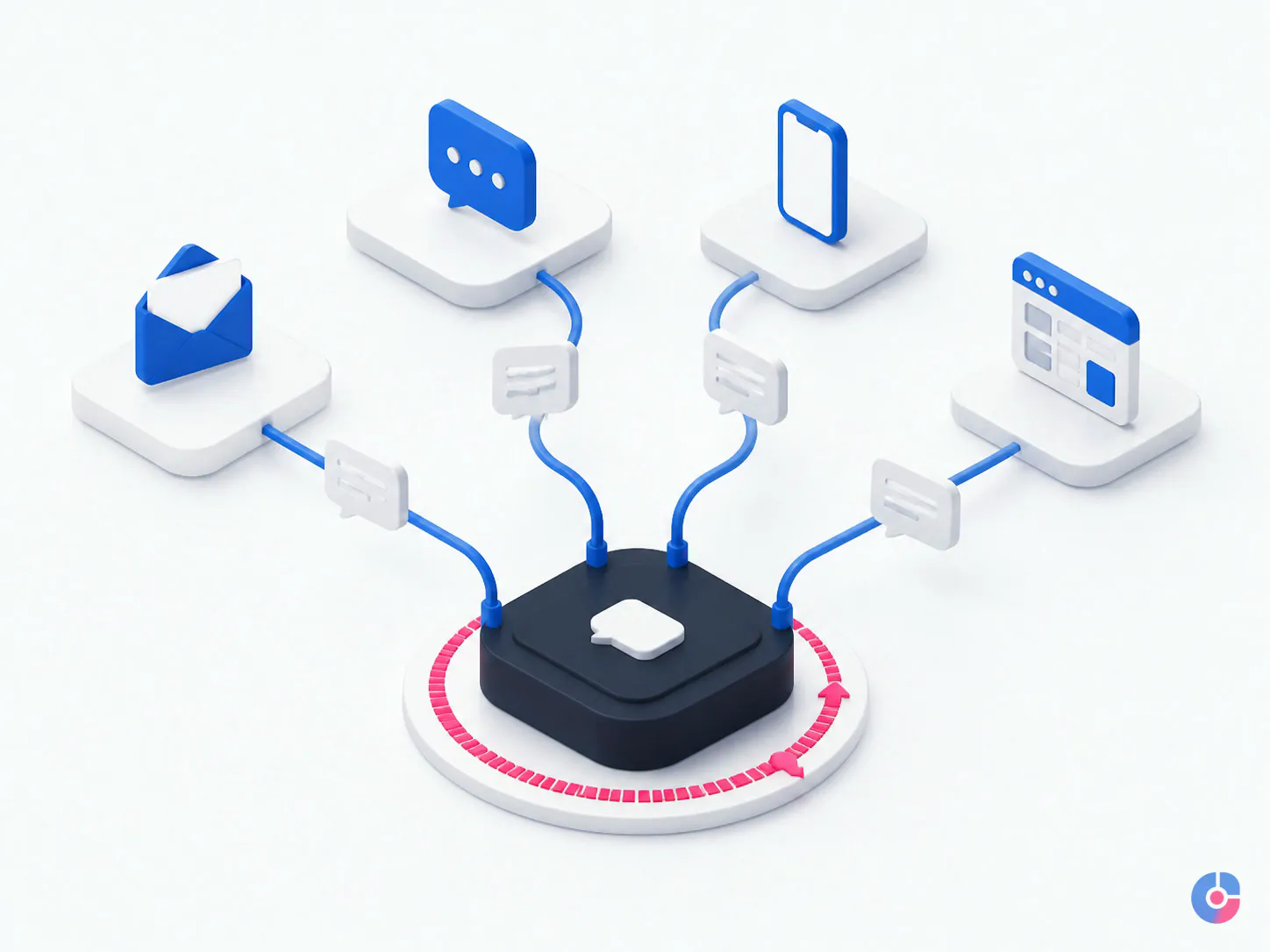
A mature support team reduces preventable demand
“Where is my order?”, “When will it arrive?”, “Will this fit?”, “Can I return it?” and “Why did the price change?” are valid shopper questions. They can also reveal missing tracking messages, vague delivery estimates, incomplete product information, inconsistent promotion copy or a policy that is difficult to find.
Every resolved conversation receives an approved contact-reason code and, where useful, a secondary cause and product or order reference. The weekly review separates:
- pre-purchase product-information gaps;
- delivery estimate and tracking visibility;
- warehouse, carrier and split-shipment exceptions;
- address, cancellation and amendment requests;
- returns-policy clarity and return-status questions;
- refund timing and payment questions;
- promotion, price and discount confusion;
- damaged, missing, incorrect or not-as-described items;
- marketplace-policy or account-specific cases; and
- technical, form or account-access problems.
High-frequency reasons become improvement proposals with evidence, owner and expected effect: update a product compatibility table, change a shipment notification, expose a policy answer, fix a carrier-data gap or clarify a promotion. After release, the reason rate is tracked. Contact reduction is credited only when volume changes under a stable definition and order denominator.
Not every contact should be eliminated. Advice, reassurance and exception handling can be part of the buying experience. The goal is to remove avoidable uncertainty while keeping a human route for questions that genuinely need judgement.

What the ecommerce support queue handles
Pre-purchase questions
Agents answer stock, size, colour, compatibility, material, delivery estimate, payment method and promotion questions from approved product and policy sources. They can help a shopper locate the right information without making unapproved claims. Technical fit, allergy, safety, regulated use or product advice beyond the knowledge base goes to the named specialist.
A response should address the specific question, state uncertainty and give a next step. A macro that repeats the product page without resolving the model number does not protect the sale.
Order and delivery queries
Support can identify the order, explain its current authorised status, provide tracking, interpret known split shipments, apply the client’s delayed or missing parcel steps and route carrier or warehouse investigation. Address changes and cancellations follow a time- and state-based amendment window. The agent never promises a change until the authorised system confirms it.
Routine operational order monitoring can connect through order processing services. Support owns what is communicated to the shopper and when; operations owns the internal order action.
Returns, refunds and exchanges
Agents explain the current policy, check stated eligibility, create or route an authorised return, provide approved instructions, set expectations and monitor the customer-facing status. Goodwill, policy exceptions, high-value refunds and unusual conditions follow thresholds rather than individual improvisation.
Refund accounting, matching goods received, restocking, settlement effects and stock adjustments belong to ecommerce back office support. The handoff includes the return identifier, order, items, request, promise made and next shopper update so neither team assumes the other closed it.
Marketplace messages and public replies
Marketplace inboxes are checked on the schedule required by the current account and client target. Agents respond within policy, use the permitted communication route, preserve case evidence and escalate deadlines. They do not divert buyers off-platform or use prohibited content.
Public review responses can acknowledge the experience, avoid exposing personal or order details, explain the appropriate help route and match the brand standard. Product-safety allegations, legal threats, discrimination claims, coordinated abuse, influencer or press contacts and other high-risk posts are held for the client.
Add channels only when their coverage can be sustained
| Channel | Where it helps | Operational cost |
|---|---|---|
| Email or helpdesk ticket | Detailed order, return and evidence-based issues; asynchronous coverage | Queues need prioritisation, threading, identity checks and clear response clocks |
| Live chat | Pre-purchase questions and simple order guidance while the shopper is active | Requires live availability, concurrency limits, quick source access and clean handoff when a case becomes complex |
| Marketplace messaging | Required buyer communication inside the transaction platform | Platform policy, response windows, case evidence and restricted communication content |
| Social direct messages | Questions where shoppers already follow the brand | Identity, order privacy, public-to-private handoff and fragmented history |
| Phone | Complex, urgent or high-consideration situations where conversation adds value | Dedicated coverage, call quality, identity controls, documentation and higher cost per contact |
A small store may be better served by excellent email and marketplace coverage than by an unattended chat widget and sporadic phone line. Live chat support services can be added when contact volume and conversion opportunity justify sustainable live staffing. Broad round-the-clock coverage belongs to a separately designed 24/7 customer support team.
Brand voice becomes a controlled macro library
Onboarding samples approved past replies, product language, policy phrasing, prohibited claims, preferred greeting and closing, empathy style, spelling, regional terms, escalation language and situations in which the brand should be brief or more explanatory. The result is a tone guide with examples, not a request to “sound like us.”
Macros contain verified building blocks: acknowledgement, required questions, policy explanation, next step, timing source, escalation and close. Each has an owner, approved use, variables, exclusions, review date and platform notes. Changes to return policy or delivery promise trigger macro review.
A macro is a starting point. The agent reads the whole conversation, answers the actual question, removes irrelevant paragraphs, checks variables and adjusts within the approved voice. Automated insertion without comprehension can send a return label answer to a compatibility question and make a fast response worse than a careful one.
During the shadow period, agents draft while the client or trained lead reviews. Error and feedback examples become calibration material. Sending authority expands by contact type after evidence shows consistent policy and tone. Sampled QA continues after release.
Peak support is planned before the promotion
The calendar includes campaigns, product drops, marketplace events, carrier cut-offs, holidays and the post-holiday returns wave. The forecast uses the client’s order, contact and contact-reason history rather than an industry multiplier. It separates pre-purchase, order, delivery, return and public channels because they peak at different times.
The written plan defines confirmation dates, included capacity, maximum uplift, pre-trained agents, licences and access, lead and QA coverage, channel priorities, escalation owners, updated macros, expected exceptions and recovery. It also names work deliberately paused: low-priority knowledge-base housekeeping, retrospective ticket tagging, non-urgent QA projects or other tasks the client approves.
Agents on the bench train before the event, practise on representative cases and receive current product, policy and promotion changes. Peak capacity cannot responsibly be arranged in the week it is needed. If volume exceeds the agreed range, OVELITHUB communicates queue age, protected priorities and the achievable recovery forecast.
The client keeps high-consequence decisions
The escalation matrix defines issue, evidence, immediate holding response, client owner, response window, agent authority and next customer update. It can reserve the following for the client:
- goodwill, discount, replacement or refund above the agreed threshold;
- product safety, adverse event, recall, injury or regulated-use questions;
- legal threats, regulator contact, privacy rights or formal complaints;
- suspected fraud, account takeover, payment or identity risk;
- discrimination, harassment, safeguarding or serious conduct allegations;
- influencer, journalist, public figure or coordinated social attention;
- policy exceptions that could create precedent; and
- systemic incidents affecting many shoppers or marketplace standing.
Everything inside the approved authority should be closed by the support team. Over-escalating routine contacts returns the queue to the ecommerce manager; under-escalating high-risk contacts hides consequence. The matrix and sampled review tune that boundary.
Support measures combine speed, resolution and prevention
- First response time by channel: measured from the agreed ready timestamp and compared with the current platform and client target.
- Platform compliance: messages or cases handled within the applicable account rule, with exclusions and timezone stated.
- Resolution time: time to verified closure, separating client-, warehouse-, carrier- and shopper-held periods where possible.
- First-contact resolution: contacts resolved without avoidable reopening under the agreed definition, not merely closed after the first reply.
- Contact rate per hundred orders: unique or defined contacts divided by orders, segmented by reason and product or channel where useful.
- Contact-reason trend: volume, rate, recurrence and open improvement actions by cause.
- Quality sample: policy accuracy, completeness, tone, personalisation, data handling, evidence and correct disposition.
- Review and rating trend: shown where collected with platform and sample context, never claimed as solely caused by support.
Fast is not successful if the answer is wrong, incomplete or sends the shopper back. Average response time can also hide an old priority case. The weekly view includes percentiles or age bands, oldest urgent items and platform-deadline exposure where the data supports them.

Named access protects the store and the shopper
Work can take place in approved Shopify, WooCommerce, Amazon Seller Central, eBay, marketplace inboxes, helpdesks, live chat and social tools according to platform capability and scope. Each agent uses a named identity and the minimum permission needed. Primary owner credentials are not shared.
Identity verification precedes disclosure or account change according to the store’s policy. Payment data, passwords, health information and other sensitive material are not requested through an insecure channel merely to close a ticket. Personal data is limited in internal notes and exports.
Offboarding revokes store, marketplace, helpdesk, password-manager, communication and file access on the authorised schedule; closes sessions where available; removes queue assignments; recovers equipment; and confirms retained data treatment. A current access register makes same-day action possible when timely notice and platform availability allow.
OVELITHUB brings ecommerce and BPO operating experience to the queue, but the client approves policies, legal positions, platform authority and public promises. Customer success comes before fast closure: if a correct answer requires a product or legal owner, the agent gives an honest holding update and escalates.
This service owns the shopper conversation
It does not reconcile marketplace payouts, account for refunds, restock returned goods or claim supplier credits; ecommerce back office support owns those money-and-stock consequences. It does not design multi-person store-admin roles and peak structure; an ecommerce admin support team owns that model. It does not create product records or catalogue schemas.
Businesses evaluating a broad support-function transition should use customer support outsourcing. This page is narrower: trained ecommerce conversations governed by store policies, marketplace rules and preventable-contact feedback.
For a deeper decision guide, read ecommerce customer support outsourcing.
Book an ecommerce support review
OVELITHUB will review current queues, response clocks, marketplace exposure, contact reasons, tone controls, escalation and peak readiness. You will receive the priority gaps, recommended coverage and the causes that should be removed before more capacity is added.
Book a support review, email support@ovelit.com, or call +880 1707-510532. Browse all digital services.
Keep reading
Related insights

How to Triage Support Tickets
Backlogs are a queue design problem, not an effort problem. See how ticket triage, priority rules and SLA discipline keep customer support…

Sales Admin Tasks to Hand Off First
Reps lose selling hours to quotes, CRM updates and scheduling. See which sales admin tasks to hand off, in what order, and…

Outsourced SDR vs In-House Hiring
Outbound stalls when nobody owns it full time. Compare outsourced sales development with hiring an SDR, and see what each option really…
Next step
Want this done rather than explained?
Tell us what needs doing and by when. You get a scope, a price range and an honest view of whether this is the right work for you at all.
- You send the brief A few lines is enough. No form fields you have to guess at.
- We reply in one business day With questions if we have them, and a range if we do not.
- You decide, not us No retainer to talk. If it is not our work, we say so.
Ask about BPO Services
We use what you send to answer you. We do not sell it, and we do not add you to a list.